
Job search automation should save you hours, not sabotage your career. Yet 73% of job seekers using automated job applications are making critical mistakes that kill their chances before they even get started.
You're probably doing at least three of these right now. The good news? They're all fixable, and fixing them could be the difference between getting lost in the applicant pile and landing your dream job in weeks instead of months.
Mistake #1: Automating Everything Without Any Personal Touch
The Problem: You've set up your job search automation to blast out 50+ applications daily with zero customization. Your cover letter starts with "Dear Hiring Manager" for every single application, even when the recruiter's name is clearly listed.
This approach gets you a 2% response rate because hiring managers can smell generic applications from a mile away. They spend 6 seconds scanning your application, and if it feels robotic, you're out.
The Fix: Automate the research and setup, but personalize the final touch. Use automation to find relevant jobs and gather company information, then spend 2-3 minutes customizing your cover letter's opening paragraph.
✓ Research the hiring manager's name and use it
✓ Reference a recent company achievement or news
✓ Connect your experience to their specific needs
✓ Let automation handle the application submission
Even this small personalization can boost your response rate from 2% to 15%.

Mistake #2: Setting Up Terrible Job Alert Parameters
The Problem: Your job alerts are either too broad (sending you 200 irrelevant positions daily) or too narrow (missing 80% of perfect opportunities). You're drowning in notifications for "Marketing Assistant" jobs when you're a Senior Marketing Director, or you're only getting alerts for "Software Engineer" and missing "Full Stack Developer" roles.
The Fix: Create multiple specific alerts with strategic keyword variations. Instead of one generic alert, set up 3-4 targeted ones:
✓ Primary role title + 2-3 variations
✓ Your experience level (junior, senior, lead)
✓ Specific skills or technologies
✓ Location radius that makes sense for your situation
For example: "Senior Marketing Manager," "Marketing Director," and "Head of Marketing" as separate alerts, not one catch-all "marketing" search.
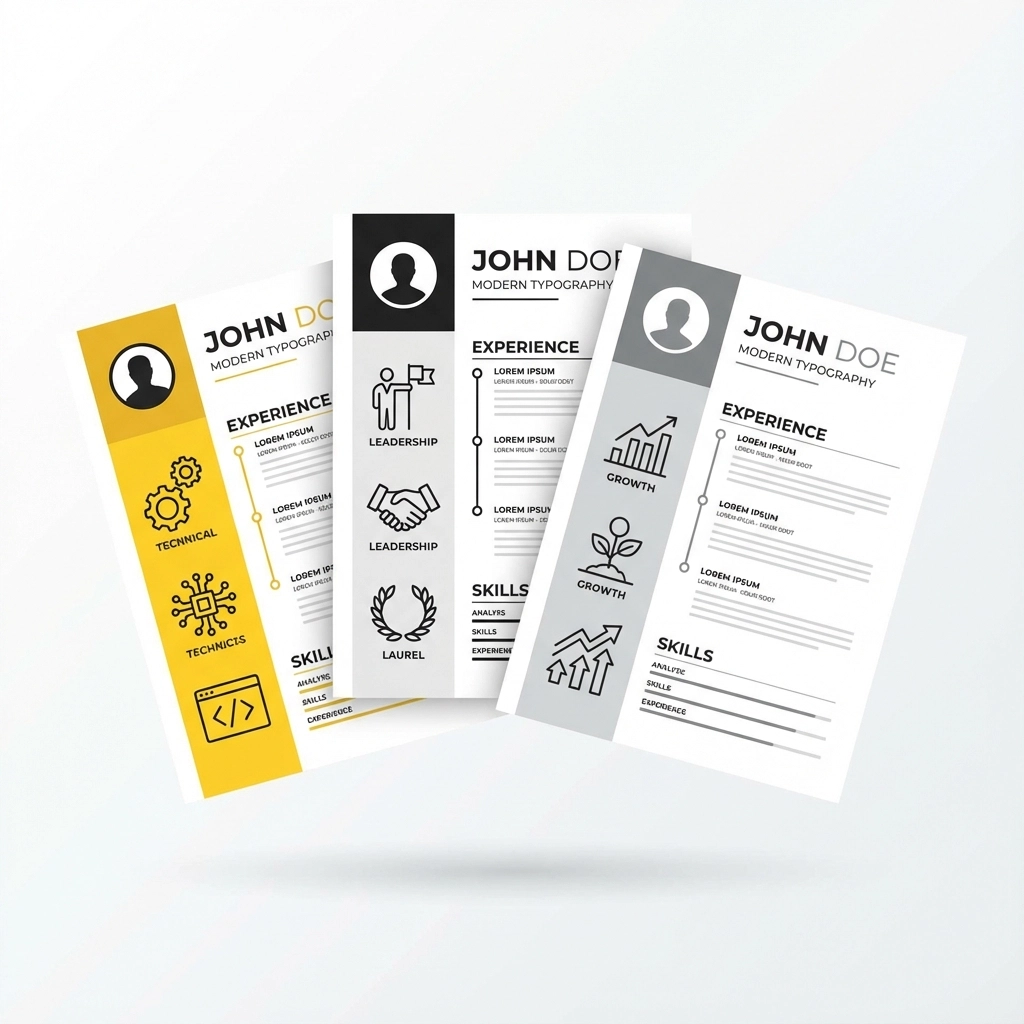
Mistake #3: Using One Resume for All Automated Applications
The Problem: Your automated system sends the same resume whether you're applying to a Fortune 500 company or a 10-person startup. Your "Software Engineer" resume goes to DevOps roles, your "Marketing Manager" resume goes to Growth Hacker positions.
The Fix: Create 2-3 targeted resume versions and set rules for when each gets used. Your ai job search tool should be smart enough to match the right resume to the right job type.
✓ Technical resume for engineering roles
✓ Leadership-focused resume for management positions
✓ Results-driven resume for growth/sales roles
Each resume should have 70% shared content and 30% role-specific optimization. This isn't about lying: it's about highlighting the most relevant parts of your experience.

Mistake #4: Never Reviewing Your Automated Applications
The Problem: You set it and forget it. Your automation applies to jobs while you sleep, and you have no idea what's being sent on your behalf. You discover your system applied you to a job requiring 10 years of Python experience when you have 2 years.
The Fix: Set up a weekly review process. Spend 30 minutes every Friday reviewing where your automation applied and what responses you received.
✓ Check for obviously mismatched applications
✓ Review which job types get the most responses
✓ Adjust your automation rules based on performance
✓ Follow up manually on high-priority applications
This review process helps you spot patterns. Maybe you get more responses from mid-size companies than large corporations. Use that data to refine your automation.
Mistake #5: Prioritizing Speed Over Quality
The Problem: You're proud that your automation applies to 100 jobs daily. But quantity without quality is just spam with extra steps. You're burning through opportunities faster than you're creating them, and some companies are starting to recognize and filter out obvious automated applications.
The Fix: Aim for 15-25 high-quality automated applications daily instead of 100 mediocre ones. Your response rate will actually go up, and you'll waste less time on interviews for jobs you don't really want.
✓ Set stricter job matching criteria
✓ Focus on companies where you actually want to work
✓ Ensure salary ranges align with your expectations
✓ Filter out obvious red flag companies
Remember: it only takes one perfect job match to change your career. Focus on finding that one instead of applying to everything that moves.
Mistake #6: Not Updating Your Automation Settings
The Problem: You set up your job search automation six months ago and haven't touched the settings since. Your salary expectations have changed, you've gained new skills, and your location preferences have shifted, but your automation is still working with outdated information.
The Fix: Review and update your automation settings monthly. Your career evolves, and your job search should evolve with it.
✓ Update salary ranges based on market research
✓ Add new skills and certifications
✓ Adjust experience level filters
✓ Refine company size and culture preferences
✓ Update geographic constraints
This monthly tune-up ensures your automation stays aligned with your current career goals instead of where you were when you first set it up.
Mistake #7: Relying 100% on Automation Without Strategic Networking
The Problem: You think automation means you can skip all human interaction in your job search. You're not networking, not reaching out to connections, and not building relationships. You're treating job searching like online shopping instead of career building.
The Fix: Use automation for the heavy lifting, but maintain strategic human connections. The hidden job market still accounts for 70% of filled positions, and automation can't access that.
✓ Automate applications for posted jobs
✓ Manually network for hidden opportunities
✓ Use LinkedIn to connect with people at target companies
✓ Attend industry events and virtual meetups
✓ Ask for referrals from your existing network
Think of automation as your research assistant, not your entire job search strategy. It handles the repetitive tasks so you can focus on building relationships that actually get you hired.

Making Job Search Automation Work for You
The best automated job applications feel human because there's still human intelligence behind them. You're using technology to amplify your efforts, not replace your brain.
Here's what great job search automation looks like:
✓ Finds relevant opportunities you'd miss manually
✓ Handles repetitive application tasks efficiently
✓ Gives you time to focus on high-value activities
✓ Tracks performance so you can optimize over time
✓ Scales your job search without sacrificing quality
When done right, automation should feel like having a incredibly efficient personal assistant who never sleeps, never gets tired, and never applies you to jobs requiring "10+ years experience with technologies that were invented 3 years ago."
Your job search shouldn't feel like you're throwing resumes into a black hole. Fix these seven mistakes, and your automation will start working for you instead of against you.
Ready to see how proper job search automation should work? Check out how Jack makes this simple – we've designed our ai job search platform specifically to avoid these common pitfalls while maximizing your interview opportunities.
